


New Build Inspection & Practical Completion: The Snag List That Saves You Money
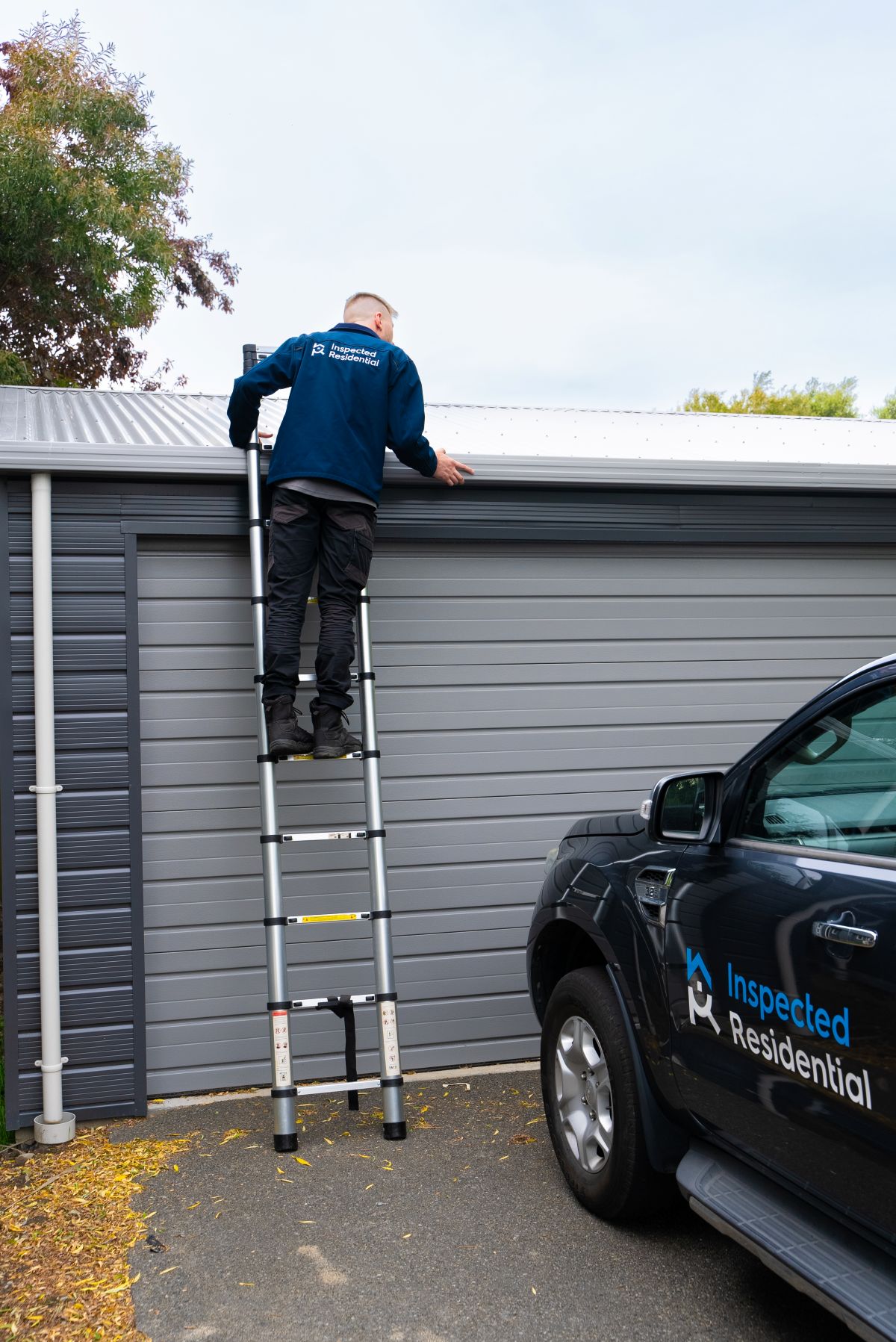
New Build Inspection & Practical Completion: The Snag List That Saves You Money
TL;DR (40–60 words): Book a new build inspection at practical completion—before final payment or move-in. Our snag list focuses on weatherproofing, services, safety and finish quality so defects are fixed while the builder still has trades on site. It protects comfort, time and your wallet during the handover rush.
Buying a brand-new home doesn’t guarantee a perfect finish. A new build inspection at practical completion checks quality of workmanship and common failure points—so you’re not discovering problems after you’ve shifted in.
New build pre-purchase inspection: what’s included
Some examples of areas that we check:
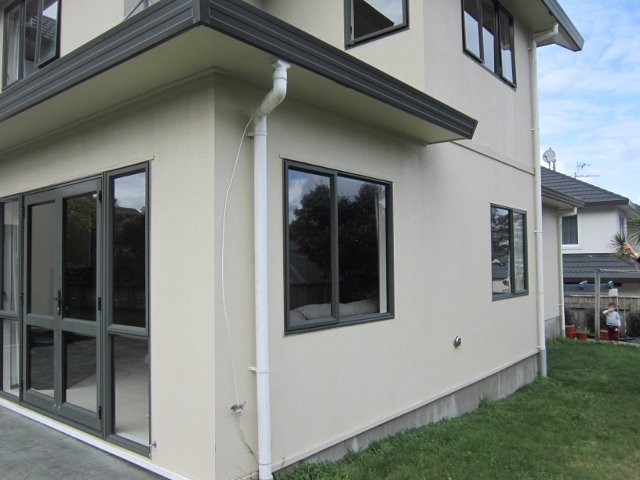
- Exterior envelope: cladding clearances, flashings, penetrations, sealant terminations, roof flashings and fixings, gutters and downpipes.
- Openings: doors/windows for operation, seals, rub marks, hardware, and weathertightness details.
- Interior: paint, plaster, floor levels, linings, skirting and architraves, cabinetry, and benchtop joins.
- Wet areas: waterproofing, shower screens, silicone, falls to wastes, ventilation performance.
- Services: visible plumbing leaks, exhausts ducted outdoors, electrical issues.
- Safety: stairs and handrails, deck balustrade height/gaps, glazing safety markings where required.
Practical completion inspection: best timing
Aim for practical completion (all major work finished) but before final payment or code compliance certificate application. That way, the builder can action snags promptly, and you’ve got leverage to ensure they’re closed out.
The snag list that saves you money
Some more common items we often find on new builds:
- Paint defects, nail pops and minor plaster defects
- Split, missing or short sealant at cladding interfaces and wet areas.
- Joinery catching or hardware not fitted well.
- Cracking to masonry elements.
- Improper installation and tensioning of metal roof plane bracing.
- Loose fixings to balustrades or stairs; squeaky treads.
- Leaks from plumbing wastes.
How we work with you and the builder
We keep snags clear and actionable with photos, location references and trade allocation. That reduces friction, avoids vague “quality” debates, and gets trades back quickly. After rectification, we can re-check high-risk items or provide an addendum.
Your next steps after handover
- Keep a defect log during the first 12 months, it is common for some settlement cracking to occur to things like trims, skirtings, frames etc that can typically occur more prolifically up to 12 months (this is to be expected). Often builders are happy to address this down the track once the house has been allowed time to settle. Just make sure you check this with them.
- Register product warranties and note maintenance items such as sealant life and roof washing.
Bottom line: a focused new home building inspection at practical completion turns handover into a tidy, low-stress step rather than the start of a fault-finding mission.
You may also like...
Stay informed with our expert property advice.







What Our Clients Say
Don't just take our word for it - see what our satisfied clients have to say about their experience with Inspected Residential.


Ready to Make Informed Property Decisions?
Don't let uncertainty cloud your property journey. Our comprehensive building inspection reports provide the clarity and confidence you need to make informed decisions.

