


How to Read a Building Report Before Going Unconditional
TL;DR: Before going unconditional, read your building report slowly and focus on risk, not just defects. Check major issues, moisture, roof condition, subfloor, foundations, earthquake-related concerns, drainage, safety items, likely repair costs, and anything needing specialist advice. Then speak with your inspector, lawyer, lender, and insurer before confirming conditions.
A building report buyers receive before going unconditional can feel a bit overwhelming, especially if it lists a long run of defects. That does not always mean the house is a bad buy. Most homes have issues. The real question is whether you understand the condition, the likely cost, and the level of risk before you commit.
In New Zealand, a sale and purchase agreement is legally binding once signed by both parties, and your conditions are there to give you time to check key matters such as finance, LIM, insurance, and the building report. Settled explains that a conditional offer includes conditions that must be met before you agree to buy, while an unconditional offer means you do not require conditions to be met before buying. (settled.govt.nz)
Start with the summary, but do not stop there
Most pre-purchase building reports include a summary or overview. Start there. It should point you towards the main findings and any recommended next steps.
But do not rely on the summary alone. Read the full report. Some items may look minor on their own but become more important when viewed together. For example, high exterior ground levels, poor subfloor ventilation, timber decay, and moisture readings may all point to a bigger moisture management issue.
A good pre-purchase building report buyers can use should help you understand both the immediate defects and the broader maintenance picture.
Separate maintenance from genuine red flags
Every property has maintenance. Peeling paint, loose door handles, tired sealant, worn carpet, or blocked gutters are common. They still matter, but they may not change your decision.
Red flags deserve more attention. These may include:
- Active leaks or signs of repeated water entry
- Elevated moisture readings
- Significant roof deterioration
- Cracking, settlement, or visible movement
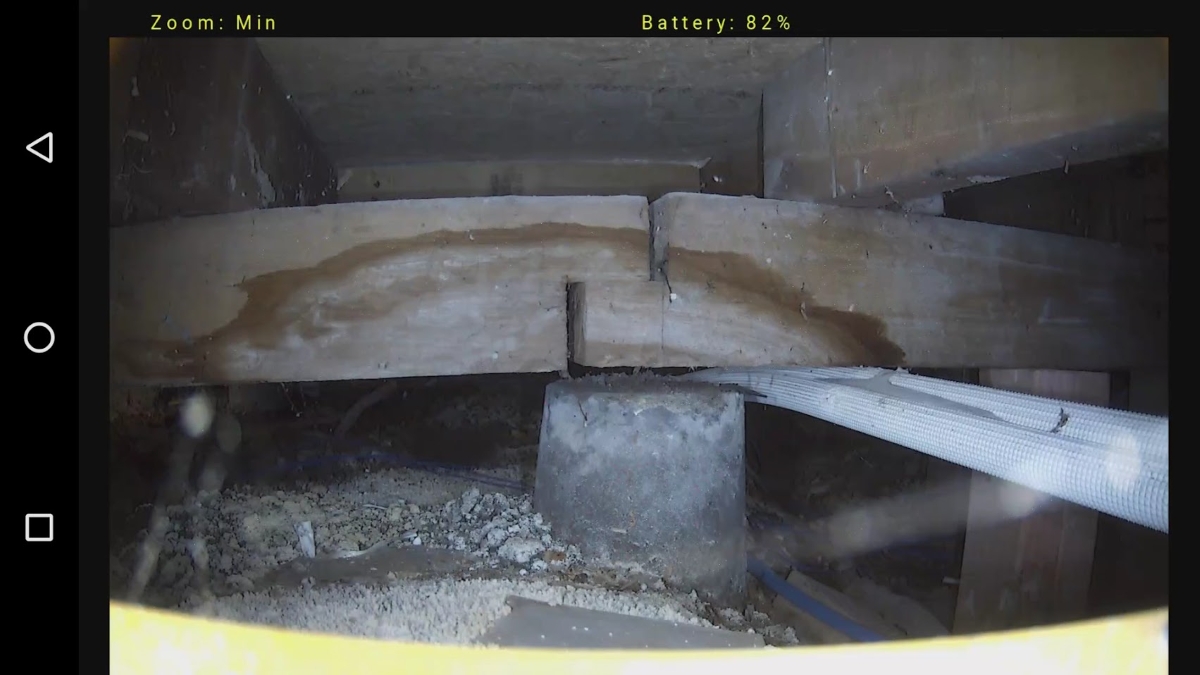
- Damaged piles or subfloor framing
- Poor drainage or ground levels against cladding
- Unsafe decks, stairs, or barriers
- Unclear alterations or possible unconsented work
- Signs of earthquake damage or incomplete repairs
Consumer Protection notes that buyers may need specialist reports where there are concerns about earthquake damage, natural hazards, leaky building risk, or boundaries. (consumerprotection.govt.nz)
Look for the words that matter
Building reports often use careful wording. Pay attention to phrases such as:
“Further investigation recommended."
This usually means the inspector has seen enough to suggest a specialist should look more closely or offer a remediation strategy i.e. a structural engineeer, plumber, electrical specialist.
“Limited access”
The inspector could not fully view an area. That might be due to stored items, low roof space, no safe access, insulation, cladding design, or subfloor restrictions.
“Moisture readings elevated”
This does not automatically prove a leak, but it should be followed up. Ask where the reading was taken, how significant it was, and what the inspector recommends.
“End of life expectancy"
This usually means an product or component is old or worn enough that replacement should be budgeted for.
“Safety concern”
Do not ignore these. Decks, stairs, electrical hazards, glazing, balustrades, fireplaces, and retaining walls can create real risk.
Check what was not inspected
This is one of the most important parts of reading a building report.
A standard visual building inspection does not open walls, lift carpet, test every service, or provide engineering, plumbing, electrical, asbestos, methamphetamine, or geotechnical reporting. It also does not replace legal advice or a LIM review.
So when you read the report, check the scope and limitations. If the roof space, subfloor, ceiling, garage, exterior, or retaining walls were partly restricted, decide whether you need more information before going unconditional.
Think about cost, timing, and negotiation
A defect is not just a defect. It has three parts: how serious it is, how soon it needs attention, and what it may cost.
Before confirming your building condition, group findings into:
- Immediate safety or weathertightness items
- Short-term repairs within the next 6–12 months
- Medium-term maintenance
- Nice-to-have improvements
This helps you decide whether to proceed, renegotiate, request repairs, or walk away. It can also help you compare the inspection findings against your budget and the wider cost of buying. For general guidance, on our cost you can view our Christchurch building inspection pricing here.
The buyer is responsible for working through their conditions, including getting a building report done where that is a condition of the agreement. (consumerprotection.govt.nz)
Share the report with the right people
Before going unconditional, do not keep the report to yourself.
Send it to your lawyer, mortgage adviser or bank and insurer if they request a copy. Banks and lenders may require information about the property before confirming the home loan, including the sale and purchase agreement, valuation, or LIM report. (settled.govt.nz)
Ask your inspector questions
A good inspector should be happy to clarify the report. Ask:
- Which items are most urgent?
- Would you recommend specialist advice?
- Are there any areas you could not inspect properly?
- Do the findings change the way I should think about the property?
- Are these typical age-related issues, or more concerning?
This is often where the report becomes most useful. The written report gives you the record. The follow-up conversation can give you context.
If you are still deciding whether to book an inspection, our building inspections Christchurch service page explains what we inspect and how our reports are prepared.
Christchurch-specific checks
For Christchurch and Canterbury homes, pay close attention to foundation performance, floor levels, drainage, retaining walls, liquefaction-prone land, and earthquake repair history.
If the property has had repair or replacement work after a natural disaster, Consumer Protection recommends getting the LIM and checking documentation, while noting that not all repair work will necessarily be recorded by council because some repairs do not require consent. (consumerprotection.govt.nz)
That does not mean every Christchurch home is a problem. It means documentation and context matter.
Where earthquake repair documents are unclear, an EQC Scope of Works Review may also help buyers better understand what was scoped, repaired, and recorded.
Final thoughts before going unconditional
Going unconditional is a big step. The aim is not to find a flawless house. The aim is to understand what you are buying before you lose the protection of your conditions.
At Inspected Residential, our pre-purchase building inspections are designed to be clear, practical, and useful before decision time. We explain the defects, the likely implications, and where further advice may be sensible.
You may also like...
Stay informed with our expert property advice.




.jpg)


What Our Clients Say
Don't just take our word for it - see what our satisfied clients have to say about their experience with Inspected Residential.


Ready to Make Informed Property Decisions?
Don't let uncertainty cloud your property journey. Our comprehensive building inspection reports provide the clarity and confidence you need to make informed decisions.

